Draper Foundation Pros
Wall Stabilization in Draper, UT
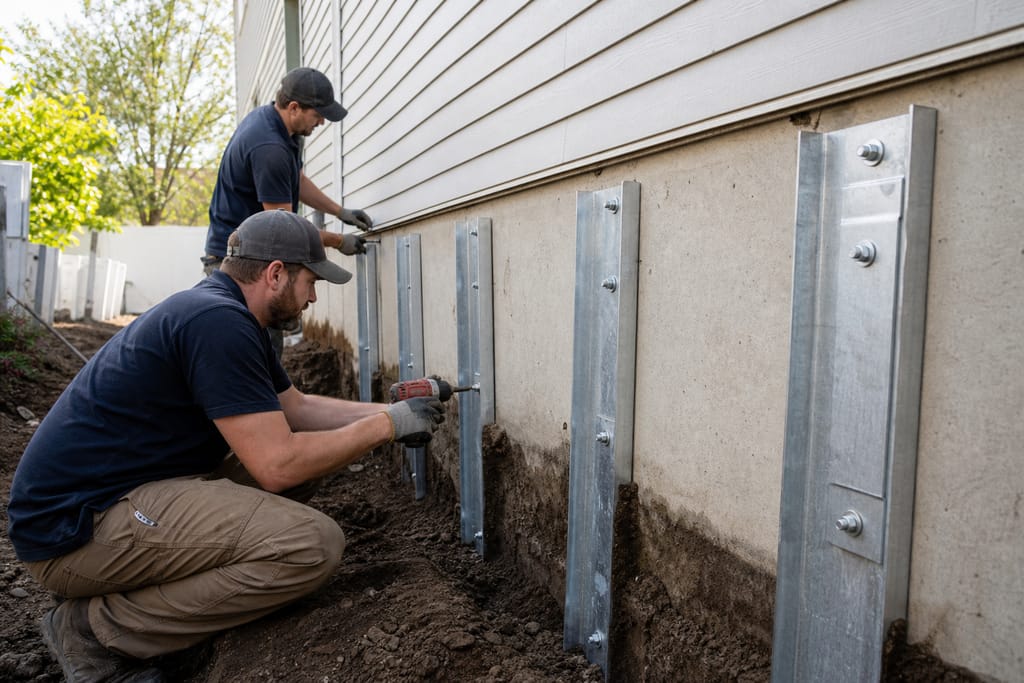
Wall stabilization in Draper, UT: anchors and carbon fiber straps stop bowing basement walls from spring hydrostatic pressure.
Serving Draper and nearby communities.
A basement wall that bows inward after the snow melts isn't settling. It's being pushed. Full-basement homes across Draper take on hydrostatic pressure every spring as runoff saturates the soil outside, and that pressure builds against the wall until it starts to bend or crack horizontally. Draper Foundation Pros installs wall anchors or carbon fiber reinforcement to stop that movement, matched to how far the wall has already deflected.
What's included
What's included with Wall Stabilization
Typically included: wall deflection measurement, anchor or carbon fiber installation, and tensioning to halt further movement. Optional: exterior drainage correction if hydrostatic pressure is the root cause rather than just the symptom. Customer prep: clear a few feet of yard space outside the affected wall if anchors require exterior access.
Want a clearer scope?
Get a Free EstimateHow it works
How our Wall Stabilization process works
 Step 1
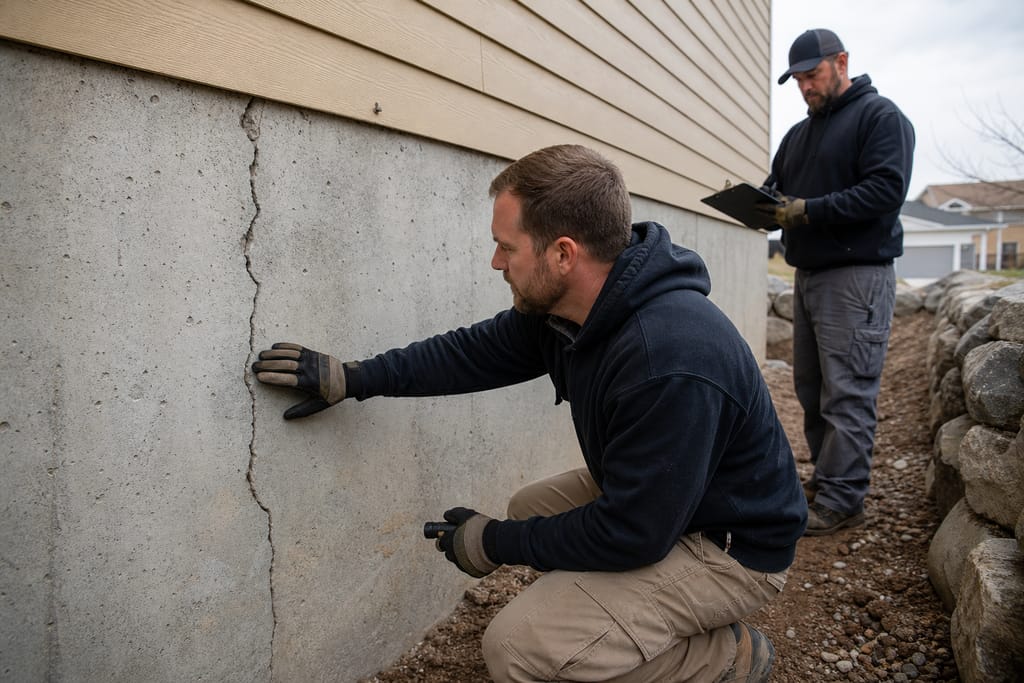
Wall Inspection
Walls are examined for bowing, cracking, or leaning indicators.
 Step 2
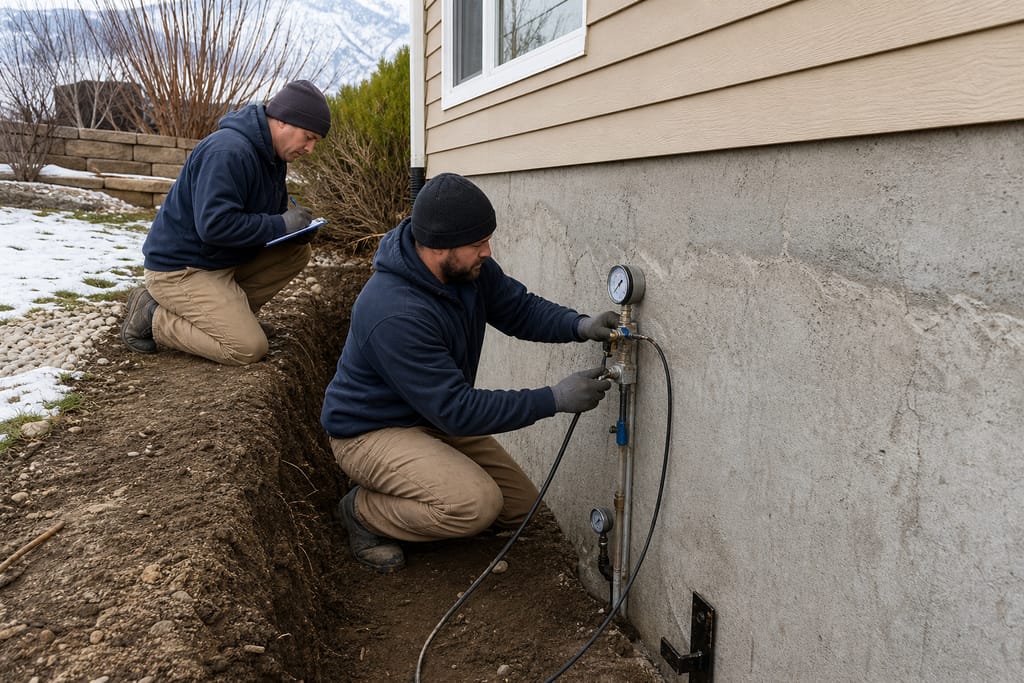
Pressure Assessment
Soil and hydrostatic pressure contributing to wall movement are evaluated.
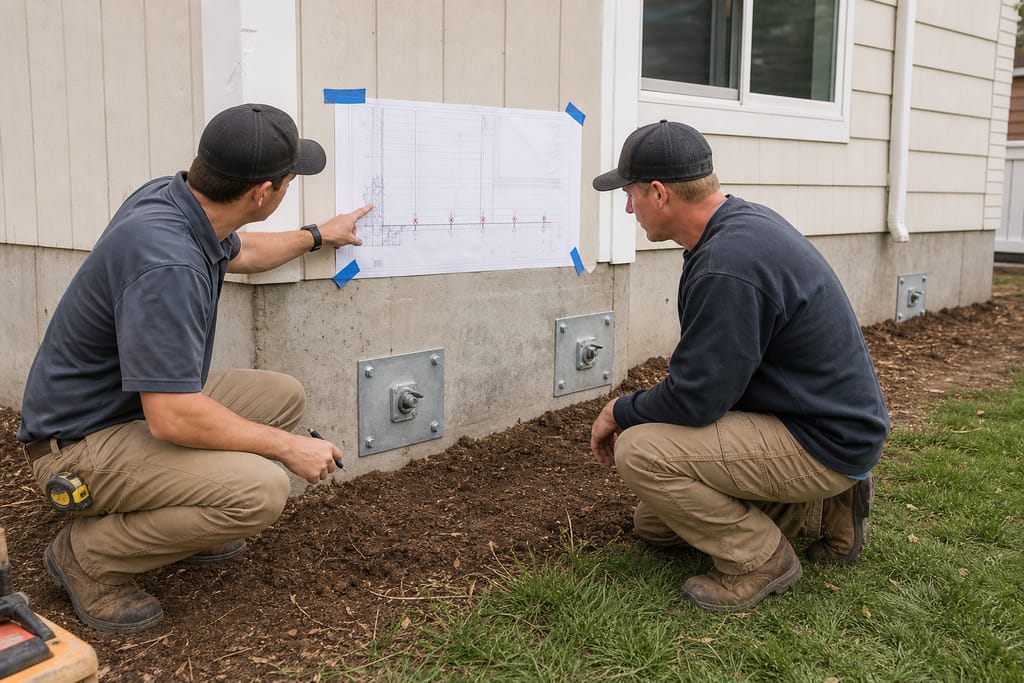 Step 3
Reinforcement Planning
A stabilization method is selected based on wall condition and severity.
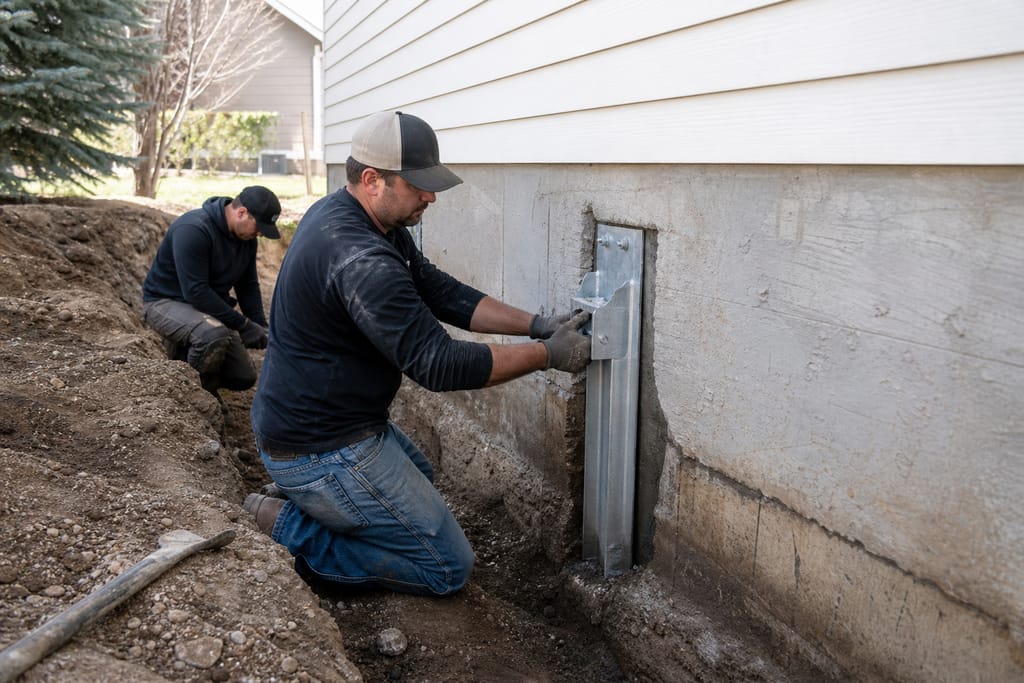 Step 4
Anchor or Brace Installation
Support systems are installed to halt further wall movement.
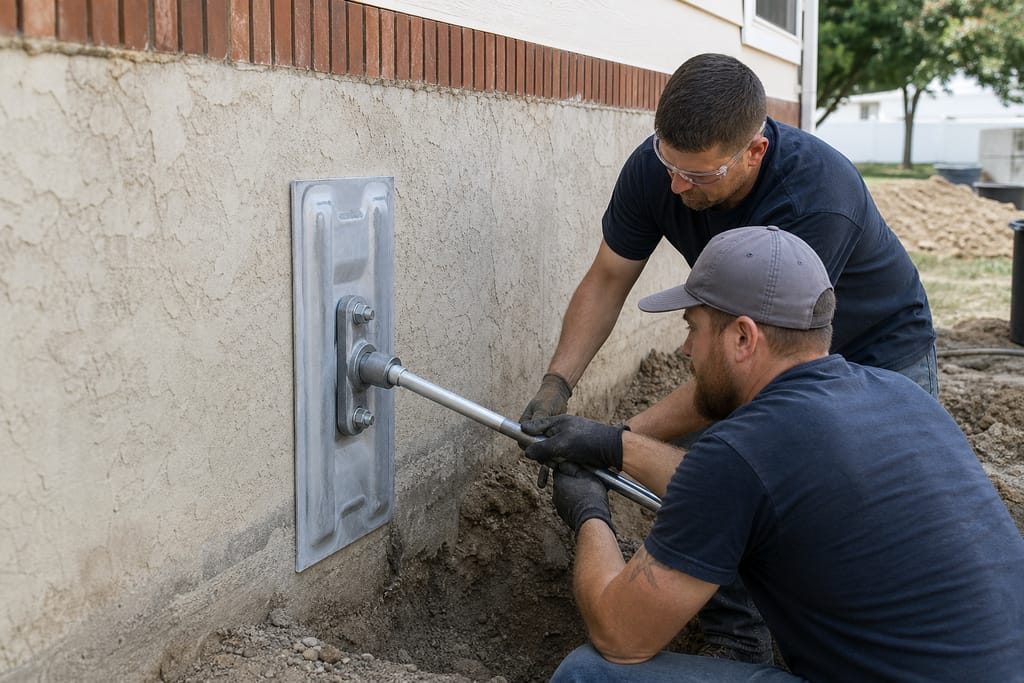 Step 5
Tensioning Adjustment
Anchors or braces are tightened to gradually stabilize the wall.
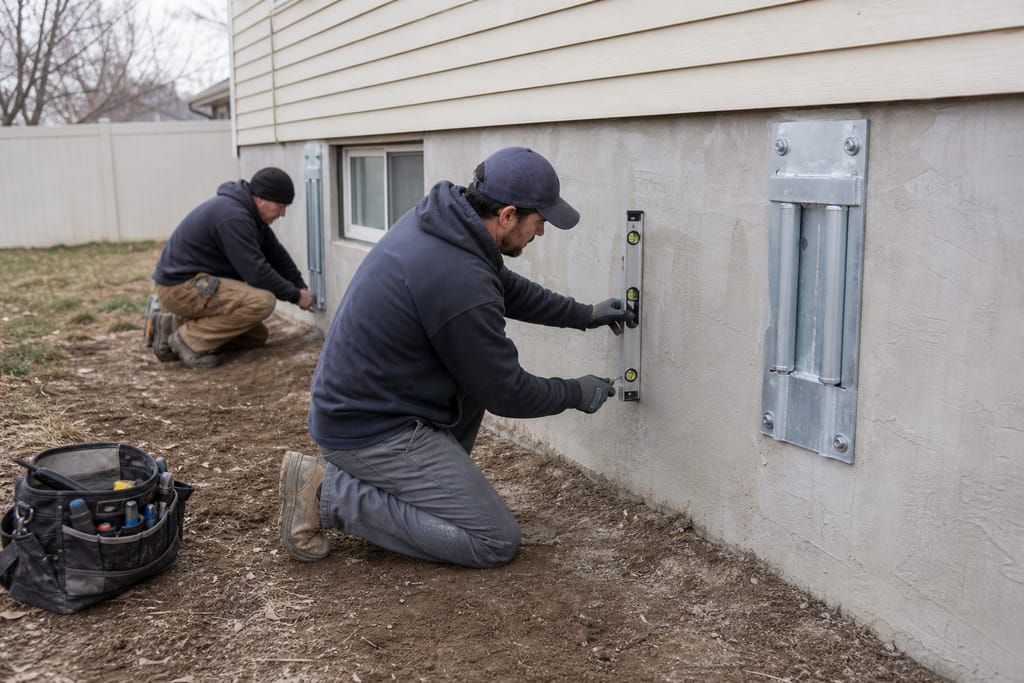 Step 6
Final Inspection
The wall is rechecked to confirm stability and proper installation.
Materials
Materials and methods for Wall Stabilization
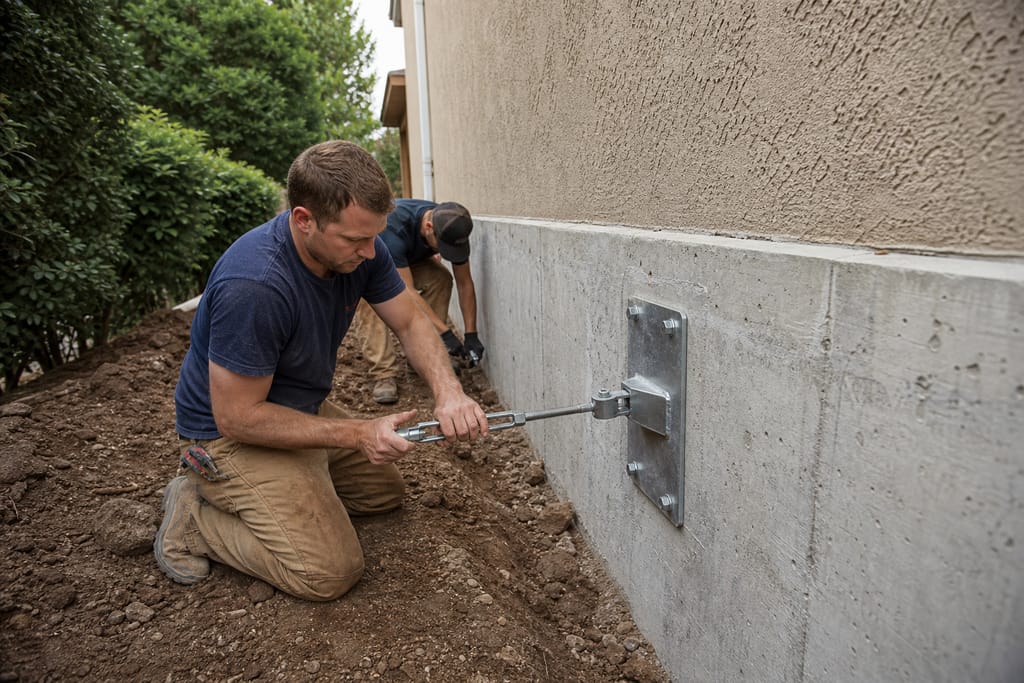
Wall Anchors
Installed in the yard to counteract inward wall pressure from spring snowmelt saturation.
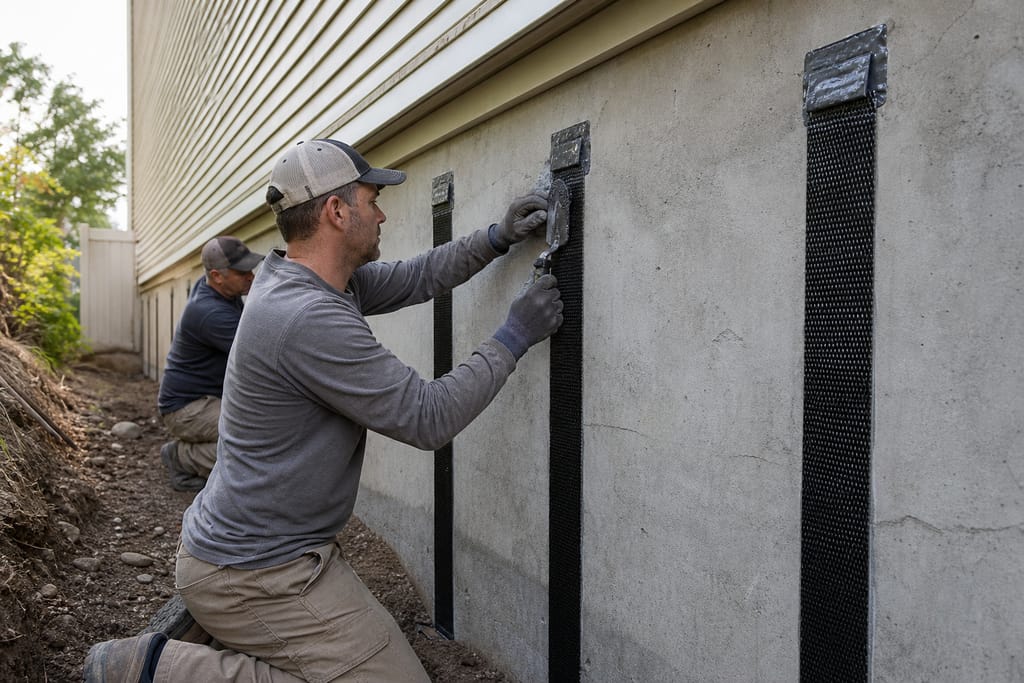
Carbon Fiber Straps
Reinforce walls without requiring extensive excavation, a good fit for finished basements.
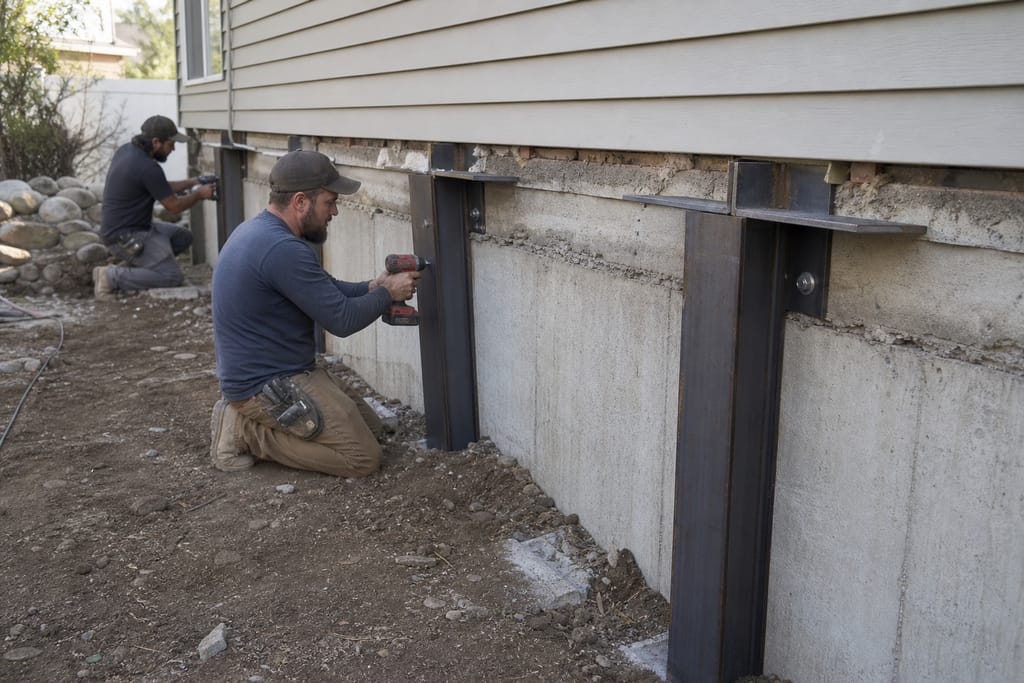
Steel I-Beams
Provide rigid bracing against lateral wall movement on more severe bows.
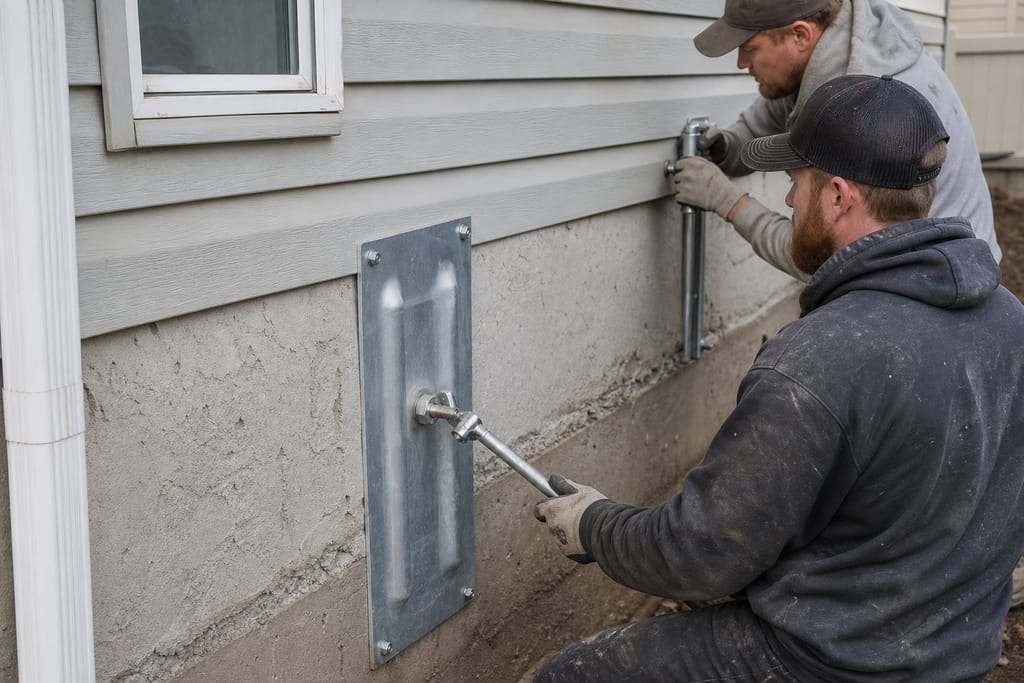
Wall Plates
Distribute anchor tension evenly across the wall surface so pressure doesn't concentrate at one point.
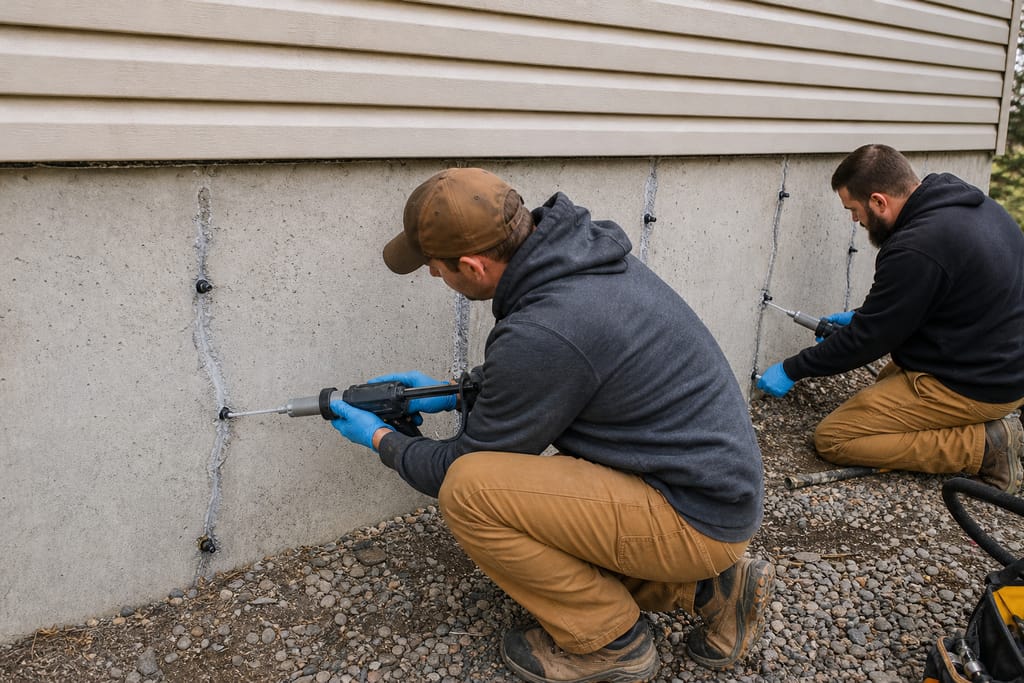
Epoxy Crack Filler
Seals cracks before reinforcement materials are applied so the repair starts on solid surface.
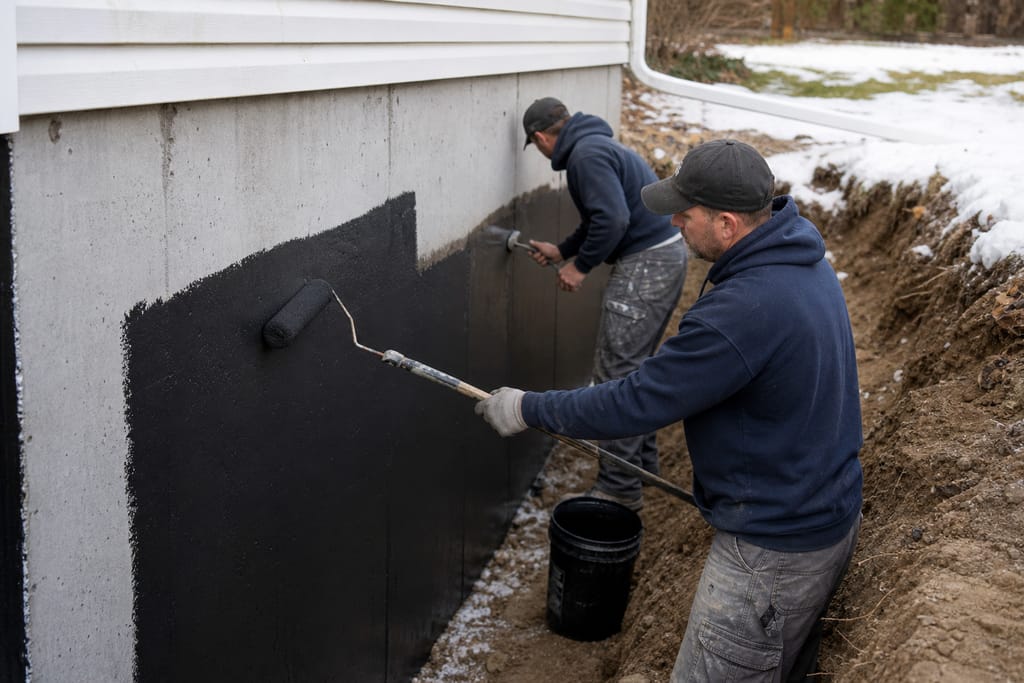
Moisture Barrier Coating
Helps protect reinforced walls from future water damage common with Draper's seasonal runoff.
Questions on materials?
Get a Free EstimateTimeline
How long does wall stabilization project take?
- 01
Stage 1
Most wall stabilization jobs are a focused one to two day install, with timing tied to how many anchors or straps the wall needs.
- 02
Inspection and measurement
same day - 03
Anchor or strap installation
1–2 days - 04
Tensioning and final check
completed the same visit as install.
Need a schedule that fits?
Get a Free EstimateBefore & after
Before and after Wall Stabilization
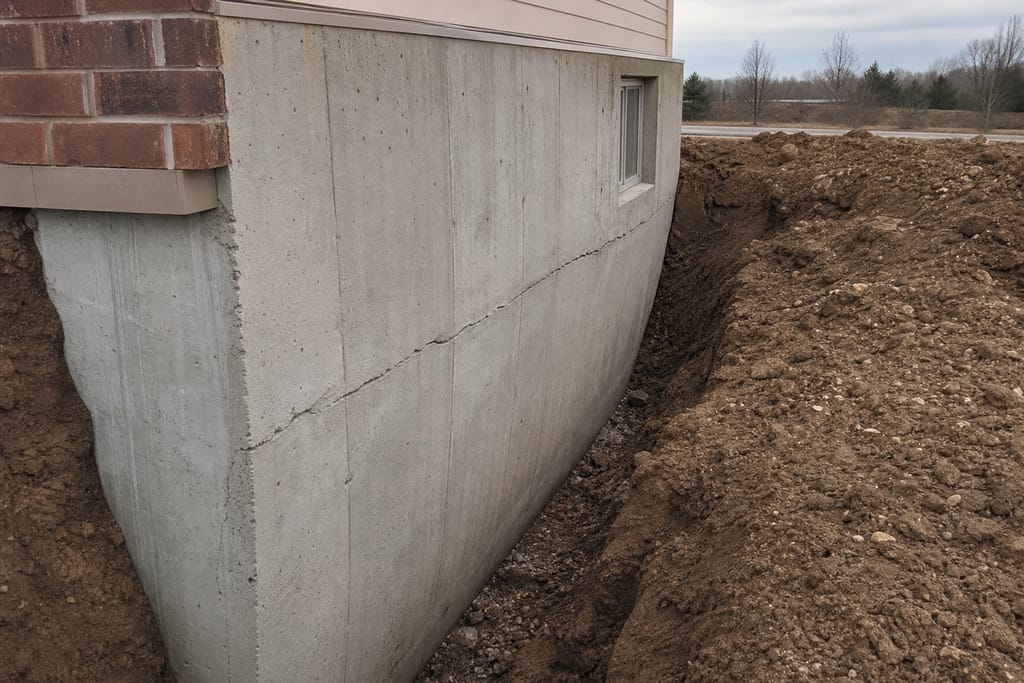
Before 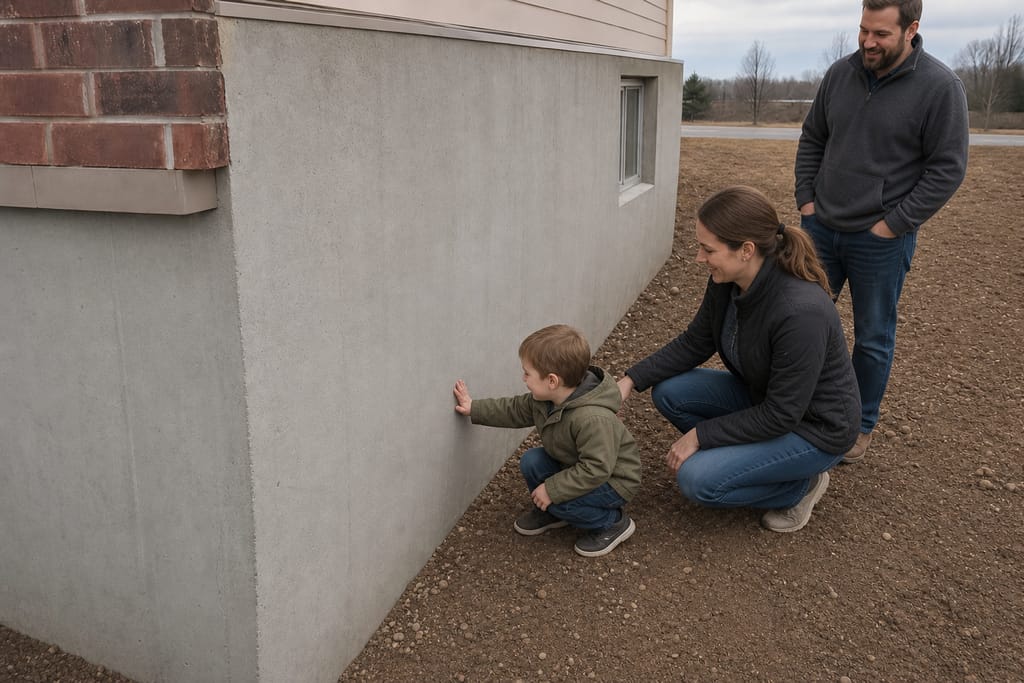
After
FAQs
Wall Stabilization FAQs
Why is my basement wall bowing inward after snow melts?
Saturated soil outside the wall swells and pushes against it. Full-basement homes are more exposed to this than slab-on-grade construction, which is why it shows up so often locally.
Is a diagonal crack serious or just normal settling?
A horizontal or stair-step crack paired with visible bowing points to pressure-driven movement. It's worth having measured rather than guessed at.
Can I brace the wall myself?
A standard brace won't reach the stable soil outside the pressure zone, so the wall keeps moving. Anchors and tiebacks extend past that zone and tie into ground the pressure can't push.
Do I need a permit for wall anchors?
Structural anchor systems usually need a permit since they affect the load path of the wall. Minor monitoring or cosmetic bracing typically doesn't.
How much does wall stabilization cost?
Pricing scales with anchor count and wall length, generally quoted per linear foot after the inspection.
When should I call instead of waiting?
If you see new horizontal cracking, water seeping at the bow point, or the wall visibly curving inward, it's time to get it measured before it progresses further.
Next step
Get a Wall Stabilization estimate in Draper
Call (435) 681-2842 or request a free estimate and we'll measure the wall before recommending anchors, straps, or both.
More services
Other Foundation Repair services
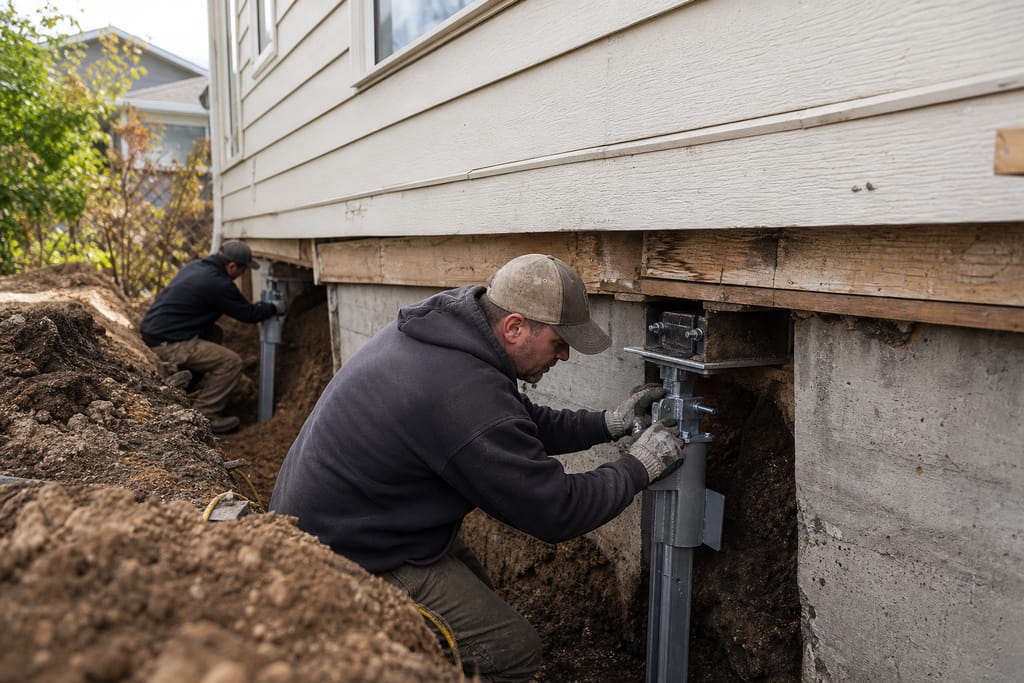
Foundation Repair
Crack injection, piering, and wall stabilization backed by a written, free estimate.
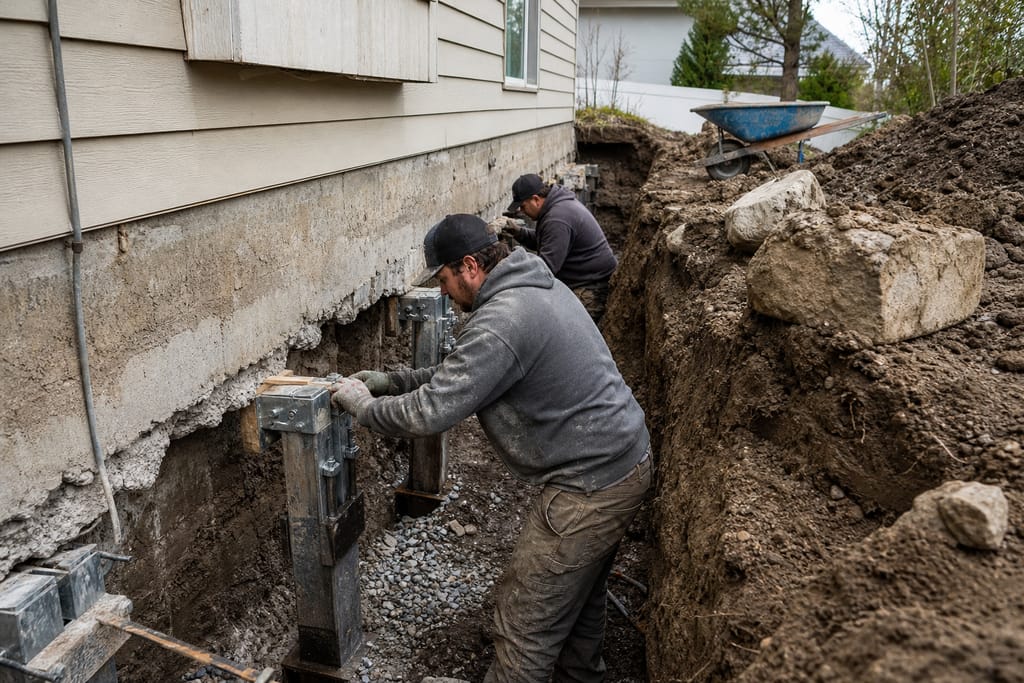
Piering and Underpinning
Steel and helical piers lift settled foundations to load-bearing soil. Free estimates.
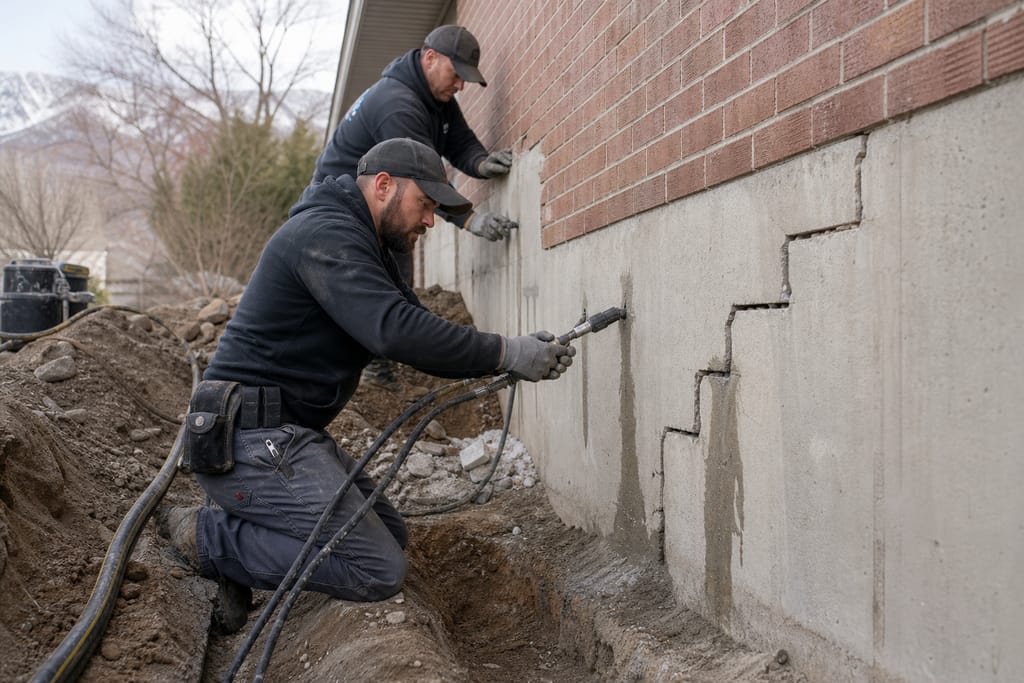
Foundation Crack Repair
Foundation crack repair in Draper, UT with polyurethane and epoxy injection, free estimates, same-day service available.
Ask about Wall Stabilization
Tell us about the project and how to reach you.